The Freedom to Keep Diving: How the LEFEET P1 XR Changed My Life
Claire Jones, a disabled SOLO diver, disability activist and underwater photographer from Cornwall, shares how the LEFEET P1 XR became part of the adaptive diving equipment that helps her continue exploring underwater.
For Claire, a compact diver propulsion vehicle, or DPV, is not simply about travelling farther. It provides another means of propulsion when fatigue, changing conditions or the return journey make a shore dive more physically demanding.
In Claire's own words: The following personal story is published in the wording supplied by Claire, with formatting added for readability.
Claire's Story
My name is Claire Jones. I'm a disabled SOLO diver, disability activist and the founder of Sunshine and Showers, a voluntary peer-support organisation in Cornwall, UK, working to make sport more accessible.
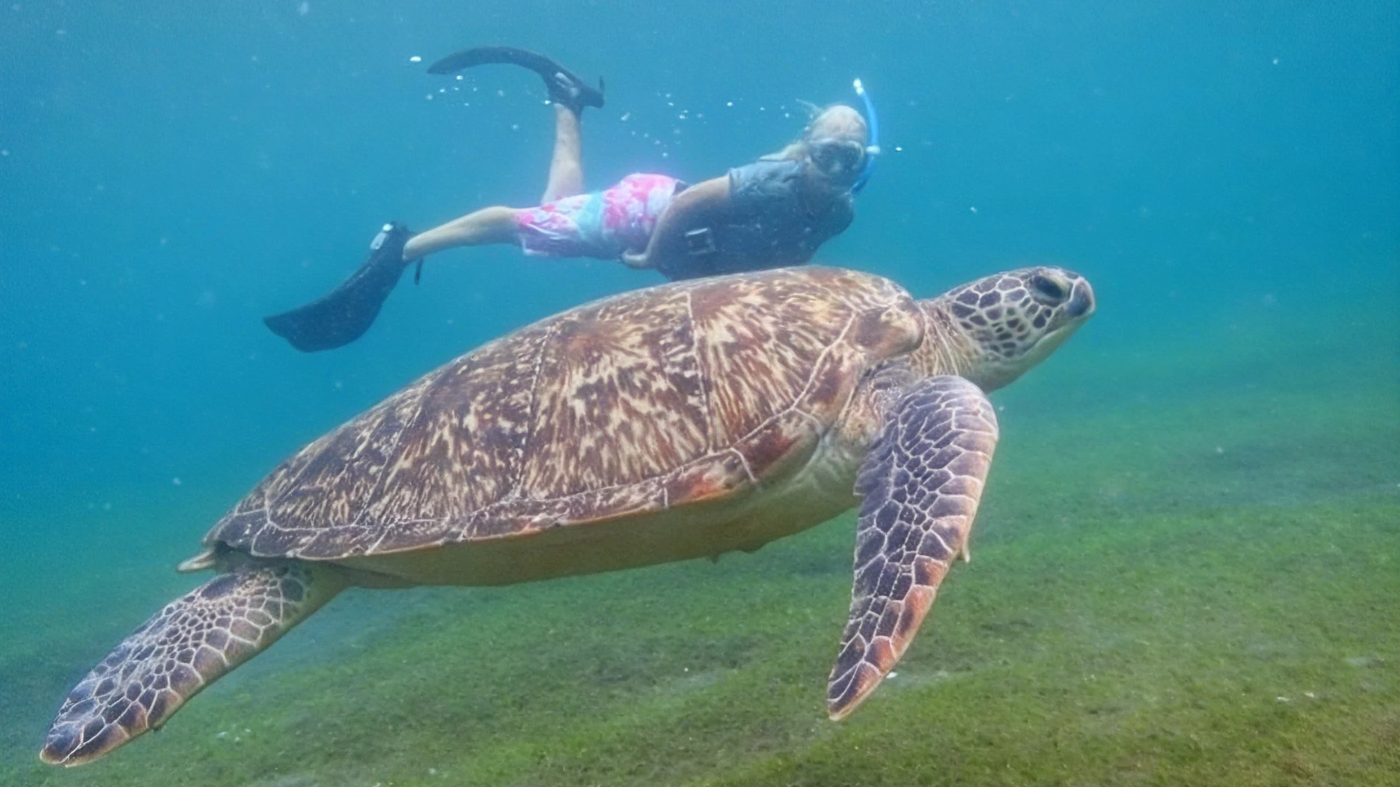
I'm also an SSI Assistant Instructor, Dive Guide and Master Diver, and underwater photography is one of my greatest passions.
Scuba diving is a huge part of my life, but as my mobility and physical limitations have increased, continuing to dive has become more difficult.
One of the biggest challenges for me is shore diving.
Swimming out from the shore uses energy. Exploring the dive site uses more. Then I still need enough physical capacity to make the return journey.
Before I had the LEFEET P1 XR, that calculation was always in the back of my mind.
Can I manage the distance?
How much energy do I need to conserve?
What happens if I become tired or conditions change?
There were dives I wouldn't attempt because I wasn't confident that my body would have enough left to comfortably get me back.
That is what the LEFEET P1 XR changed.
It has genuinely been life-changing because it has allowed me to continue scuba diving.
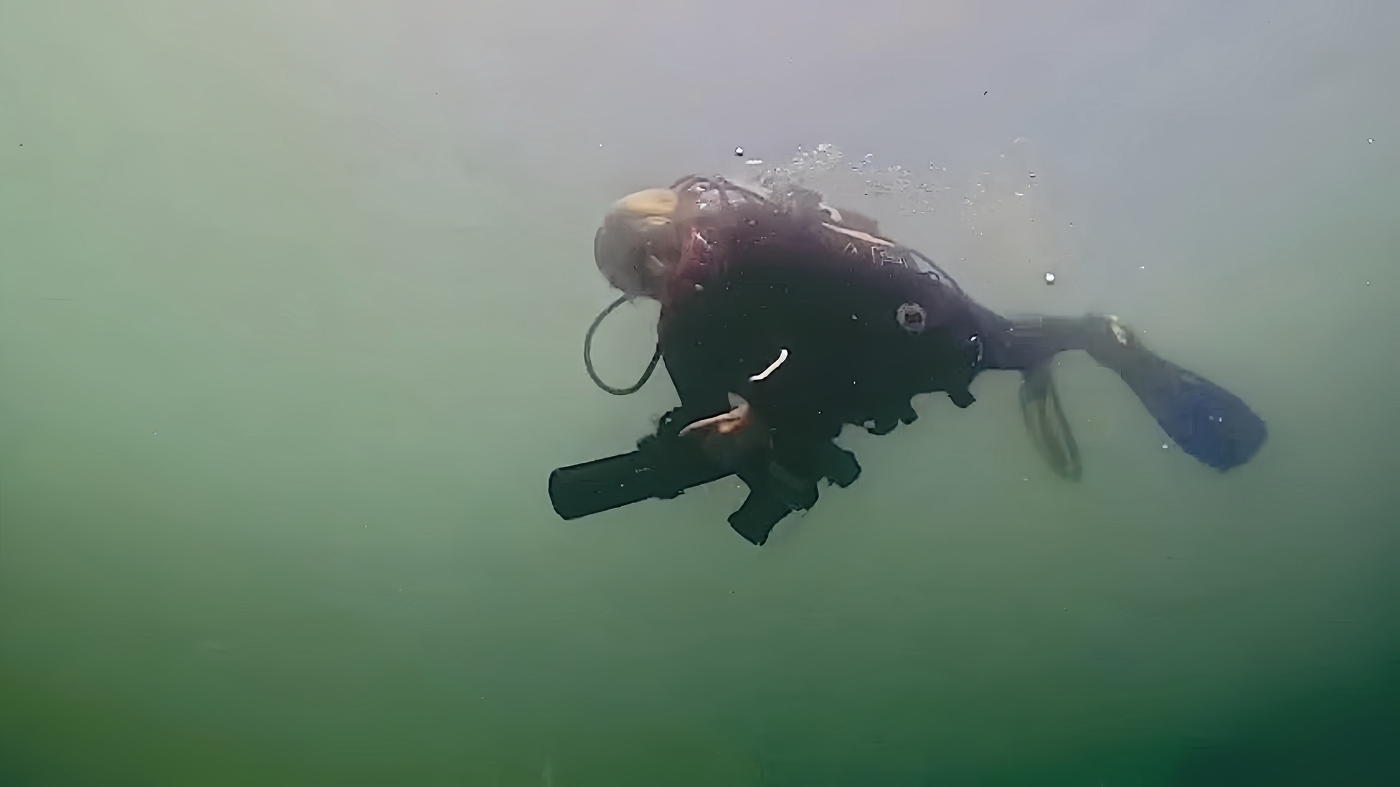
I can go on a shore dive knowing that if I become tired or the return journey becomes more physically demanding than expected, I have another means of propulsion available to me.
That knowledge has given me back something disability was gradually taking away: confidence.
Instead of spending a dive worrying about how much energy I have left, I can enjoy being underwater.
I can explore, take photographs and concentrate on the world around me.
For me, the P1 XR isn't simply an underwater scooter.
It is an adaptive mobility tool.
On land, we accept that equipment can help disabled people conserve energy, increase mobility and maintain independence. I believe we should think about adaptive technology underwater in the same way.
The P1 XR reduces the physical effort required for me to move through the water and helps me manage my limitations.
It doesn't replace good diving skills, proper planning or understanding my own capabilities.
It gives me another tool that enables me to continue participating in the sport I love.
That distinction matters.
Accessibility isn't only about helping someone try an activity for the first time.
It is also about helping people stay involved when disability, illness, injury or changes in physical ability threaten to push them out.
That is something I care deeply about through my work with Sunshine and Showers.
We are a voluntary peer-support organisation based in Cornwall, working to make sport more accessible.
My own experience has shown me how the right equipment and technology can remove barriers and help people maintain their independence.
I would like to see the diving industry think more seriously about compact DPVs as adaptive technology.
There are disabled divers, people living with chronic pain, fatigue or mobility limitations, and older divers who may benefit from equipment that reduces the physical demands of moving through the water.
For some people, a DPV might mean travelling farther or seeing more of a dive site.
For me, it means knowing I can continue to go diving.
I can stand on a Cornish beach preparing for a shore dive, knowing that I have another option available if my body becomes tired or the return journey is harder than expected.
My regulator keeps me breathing.
My buoyancy equipment helps me control my position in the water.
My camera allows me to capture the underwater world.
And my LEFEET P1 XR helps me keep exploring it.
I don't know how my disability will change in the future.
But I know that I want to continue scuba diving for as long as I safely can.
The LEFEET P1 XR has given me the confidence and freedom to do that.
And that is why, for me, it has been life-changing.

Why Claire's Experience Matters
Claire's experience highlights an important part of accessible scuba diving: inclusion is not only about introducing someone to the water. It is also about helping experienced divers remain involved as their physical needs change.
A compact underwater scooter may help some divers manage effort and mobility, but it remains one part of a complete dive plan. Training, equipment familiarity, medical fitness, environmental conditions, gas planning, emergency procedures and an honest understanding of personal limits all remain essential.
Claire Jones and Adaptive Diving FAQ
Who is Claire Jones?
Claire Jones is a disabled SOLO diver, disability activist, SSI Assistant Instructor, Dive Guide, Master Diver and underwater photographer from Cornwall, UK. She is also the founder of Sunshine and Showers, a voluntary peer-support organisation working to make sport more accessible.
How has the LEFEET P1 XR affected Claire's shore diving?
Claire says the P1 XR gives her another means of propulsion if she becomes tired or the return journey is more physically demanding than expected. That option has helped restore her confidence and allowed her to continue scuba diving.
Why does Claire describe the P1 XR as an adaptive mobility tool?
In Claire's personal experience, the P1 XR reduces the physical effort required to move through the water and helps her manage her limitations. This description reflects her individual use and is not a general medical claim.
Does a DPV replace dive training or planning?
No. As Claire states, it does not replace good diving skills, proper planning or an understanding of personal capabilities. Divers should be trained for their chosen activity and equipment, follow appropriate medical guidance, plan for equipment failure and remain capable of responding safely if propulsion becomes unavailable.

Keep Exploring
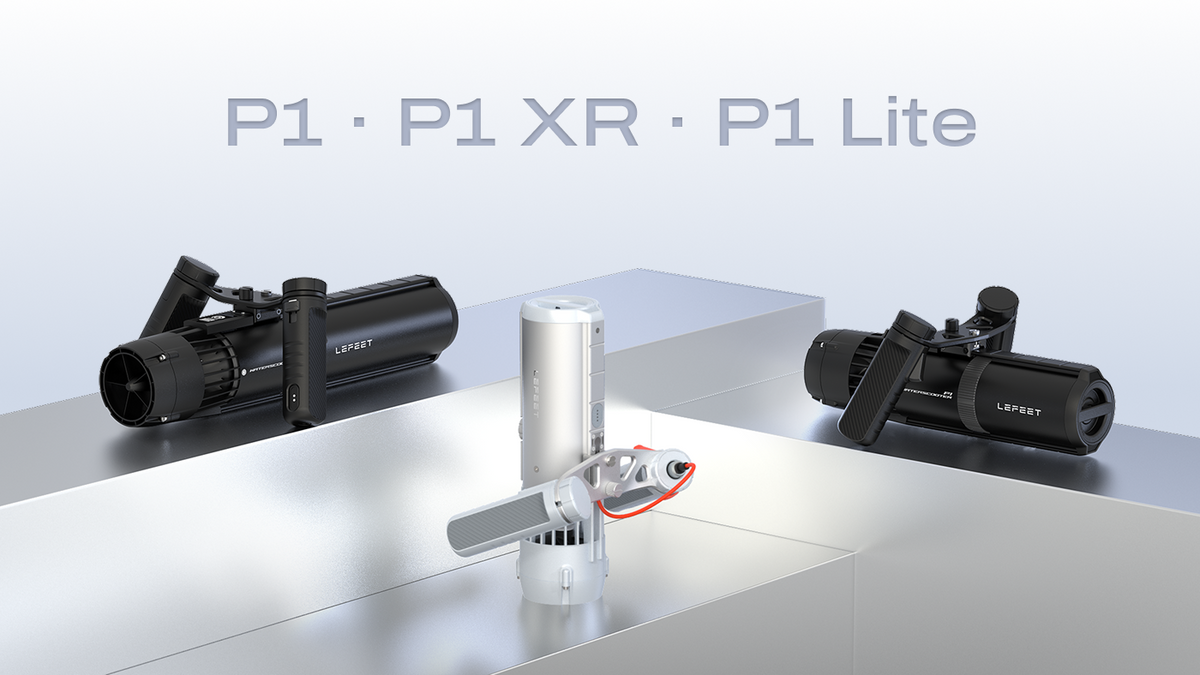
Learn more about the compact, modular LEFEET P1 and P1 XR water scooters.
Have a LEFEET experience you would like to share? Submit it through the LEFEET Call for Stories form.
Editorial and safety note: This article presents Claire Jones's personal experience in her own words. Individual experiences vary. The LEFEET P1 XR is a recreational water scooter and diver propulsion vehicle, not a medical device, substitute for medical advice, dive training, gas planning, emergency preparation or independent return capability. Divers must follow the product manual, applicable training standards, local rules and the advice of appropriately qualified diving and medical professionals.