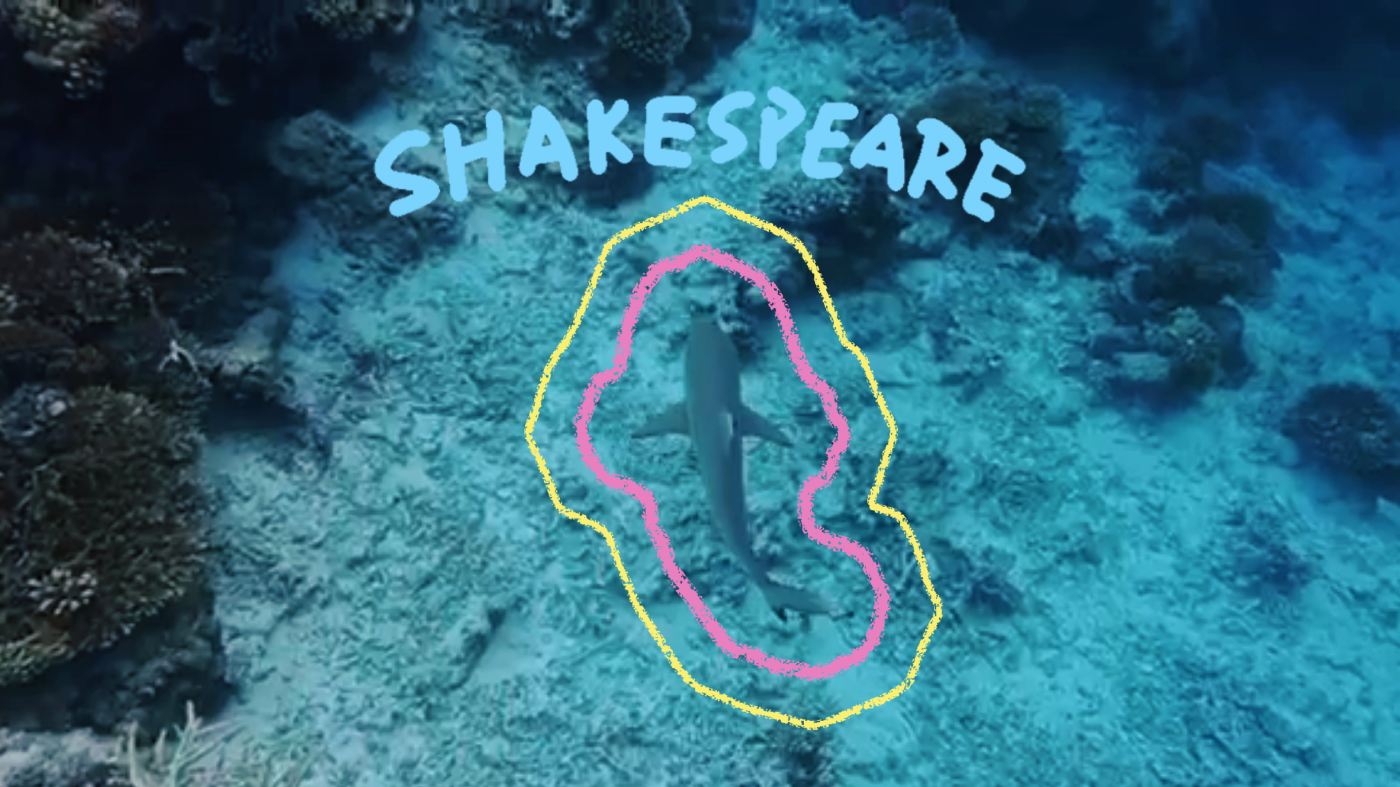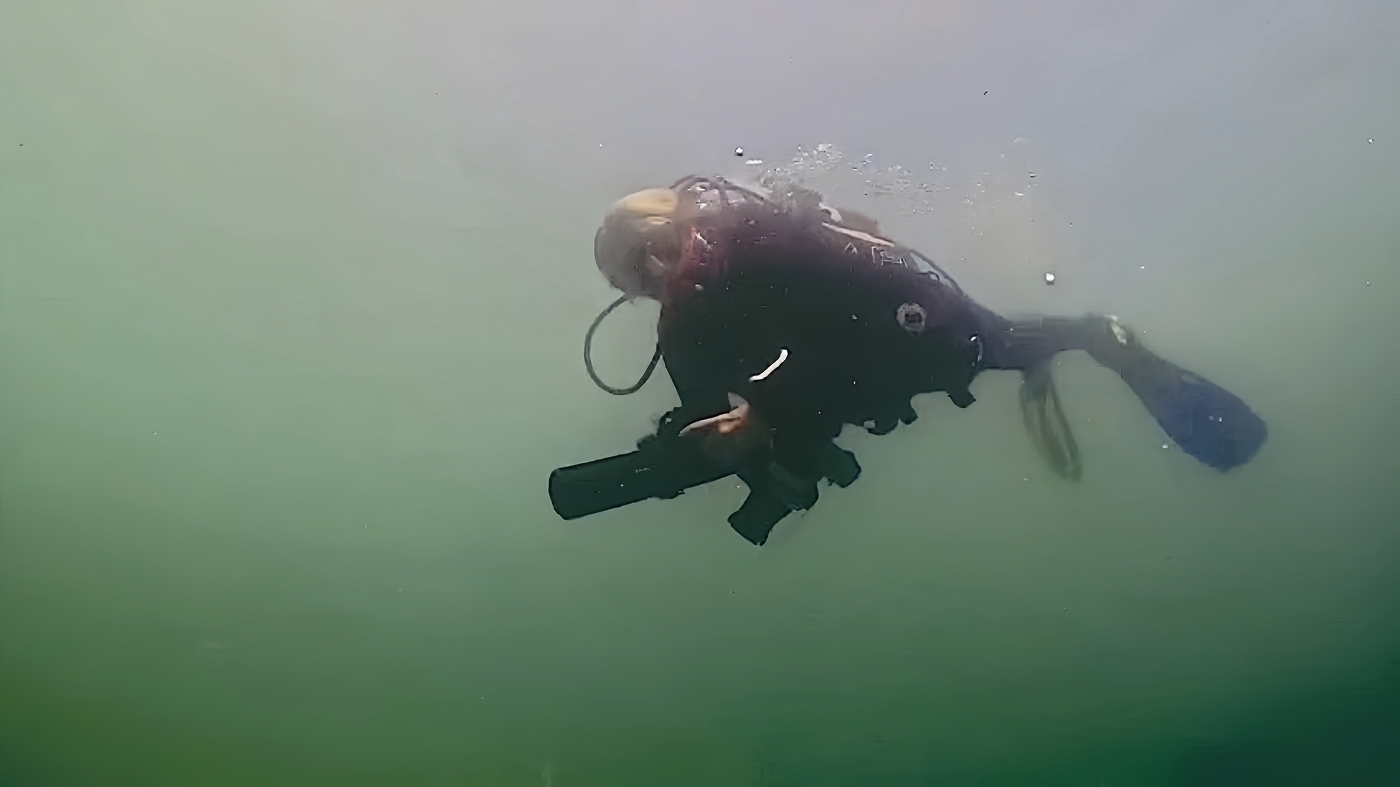

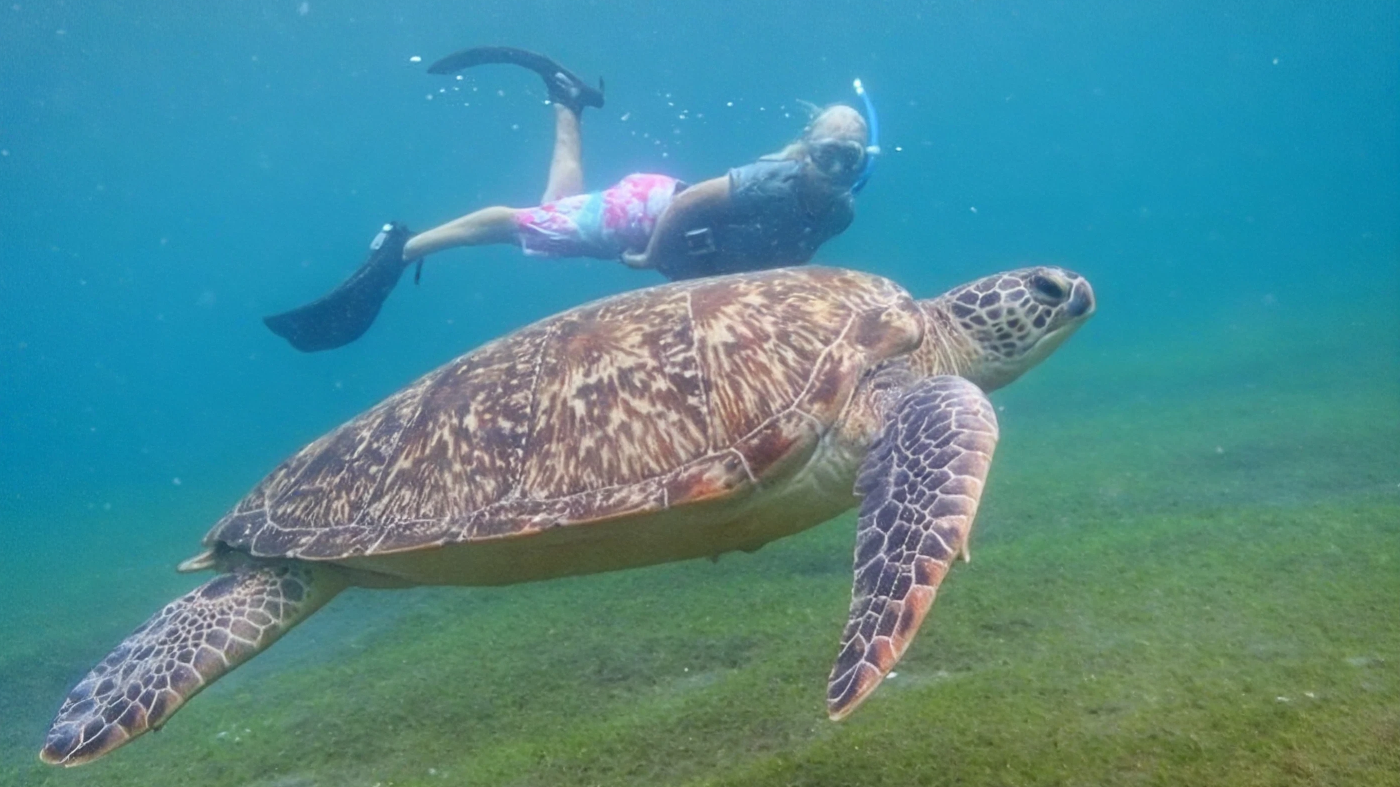
Project Pawikan uses photographs to identify and monitor green sea turtles along the 13 km coastline of Dauin in the Philippines. Strong currents and changing weather once limited how much ground the team could cover by freediving. Compact LEFEET diver propulsion vehicles, or DPVs, changed that. These underwater scooters helped the team work more efficiently. By July 2026, the project had recorded more than 5,000 green turtle encounters and logged 529 individuals.
This is the story of how two scooters helped turn a pandemic habit into a long-term conservation project.

The Turtles That Kept Us Going
My name is Jonathan Anderson. I am a PADI scuba diving instructor in the Philippines, and Project Pawikan began during one of the strangest periods the diving community has ever experienced.
The Philippines endured an exceptionally long pandemic lockdown. Diving tourism stopped, routines disappeared, and there was little to do except wait and hope that the underwater world we worked in would eventually reopen.
Swimming and diving with the local sea turtles became our way of staying connected to that world. At first, we were simply grateful to be in the water. Then we learned something that changed the way we looked at every turtle we met.
The Large Marine Vertebrates Research Institute Philippines, known as LAMAVE, uses the unique arrangement of scales on the sides of a turtle's head to identify individuals. These scales are called scutes. Like a facial fingerprint, each pattern can be photographed and compared with a catalogue without capturing, tagging, or touching the animal.
Once we started taking identification photographs, casual encounters became questions.
How many turtles were living along the coast? Were they here all year? Did the same individuals return to the same seagrass beds? How far did they move? What could their daily routines tell us about the habitats they depended on?
We were hooked.

From Curiosity to Project Pawikan
That curiosity grew into Project Pawikan. Pawikan is a Filipino word for sea turtle.
With support from the Municipality of Dauin and funding through a PADI AWARE Community Grant, we set out to survey the green turtle population and the seagrass habitats along Dauin's 13 km coastline more systematically.
The goal was not simply to collect beautiful photographs. We wanted consistent records that could help reveal where turtles feed, how long individuals remain in an area, and which stretches of seagrass matter most.
LAMAVE maintains the National Turtle Catalogue of the Philippines. Photographs contributed by researchers and citizen scientists can help identify individuals and build a wider picture of turtle distribution and movement. Project Pawikan's local observations could therefore contribute to something much larger than a single dive site.
For a community project with a modest budget, the method was powerful. A clear photograph of both sides of a turtle's head could become a useful conservation record.
The difficulty was reaching enough turtles, often enough, across enough coastline.

Why a Compact Underwater Scooter Made Sense for Freediving
Most of Dauin's green turtle activity is concentrated in shallow seagrass feeding areas. Freediving allowed us to move quietly through these zones without tanks and to photograph turtles close to the surface.
On a calm day, it worked beautifully. Dauin, however, does not offer calm conditions on demand.
Currents, tides, wind, and surface chop could slow a team down or end a survey before we covered the planned area. A long surface swim also used energy that we needed for careful observation and photography.
Before using diver propulsion vehicles, or DPVs, one survey every other day was often all we could manage. Even then, completing the full survey area was not guaranteed.
The challenge was not motivation. It was repeatable coverage.

What a Difference a DPV Made
We researched compact DPVs carefully and chose a pair of LEFEET S1 Pro underwater scooters. These earlier-generation LEFEET water scooters have since been discontinued, but they became an important part of our fieldwork.
We hoped two compact scooters would help us cover more distance with less fatigue, including in conditions where swimming the full route would have been difficult.
They did.
With spare batteries available, our survey capacity doubled. Instead of recovering from one survey before attempting another days later, we could sometimes complete two surveys in a day. More importantly, we became more confident that we could cover the planned survey area rather than collecting observations from only a small section.
That consistency mattered. Conservation data becomes more useful when effort can be repeated across locations and over time.
The scooters did not identify a single turtle for us. They did not replace careful photography, record keeping, local knowledge, or patient matching of scute patterns. What they changed was access. They helped us arrive with enough time and energy to do the work properly.
Would the Scooters Disturb the Turtles?
This was one of our biggest concerns.
If the sound or movement of a DPV caused turtles to leave the area, the equipment might undermine the very survey it was supposed to support. We watched the encounter data closely.
During our surveys, the average number of turtles encountered did not decline compared with our earlier free-swimming work. In practical terms, the turtles appeared largely unconcerned by the scooters.
That observation should not be read as permission to chase, crowd, touch, or alter the path of a wild turtle. Stable encounter numbers do not prove that powered equipment has no effect in every setting. We continued to treat distance, slow approaches, and the animal's behavior as the limits of every encounter.
The purpose of a survey is to record natural behavior, not change it.

From 100 Surveys to 5,000 Encounters
During the formal survey period from February 2024 to March 2025, Project Pawikan completed more than 100 surveys. The team recorded over 1,400 encounters involving 420 individual green turtles.
The work continued after the formal survey period.
As of July 2026, Project Pawikan has recorded:
- More than 5,000 green turtle encounters
- 529 identified individual green turtles
- Observations contributed by divers and snorkelers through an active citizen science community
These July 2026 figures were supplied by Project Pawikan for this story. The catalogue is still growing as familiar turtles return and new faces appear.
Each record helps answer the questions that first consumed us during lockdown. Some turtles are seen repeatedly in the same small area. Others disappear and return. Changes in condition can be noticed because an individual is no longer anonymous.
A turtle becomes a history rather than a sighting.

The Machines Faced Their Own Field Test
Conservation equipment rarely lives an easy life.
Our scooters operated in the heat and humidity of the Philippines, entered salt water repeatedly, and travelled through changing current and weather. The S1 Pro units were tested far beyond an occasional holiday dive.
They also became useful beyond the turtle surveys.
On one scuba dive, we found large bamboo fish cages that had been placed where they presented a hazard to the reef. The scooters helped us move the bulky structures away from the threatened area. It was an unusual task, but it showed how much controlled pulling assistance a compact DPV could provide.
Another encounter was less practical and much more memorable.
A whale shark passed us during a scuba dive. Without the scooters, it might have been a ten-second glimpse. With the DPVs, we were able to observe the animal for several minutes before turning back to rejoin the dive group.
Wildlife always sets the terms of an encounter. A DPV should never be used to pursue, block, touch, or pressure a marine animal. That brief experience stayed with us because the animal happened to share our direction, not because the equipment gave us ownership of its time.

What Project Pawikan Became
Project Pawikan is now a thriving citizen science initiative.
Divers and snorkelers contribute photographs and sightings each week. A submitted image may match a well-known resident, document a return after a long absence, reveal a change in health, or add a completely new turtle to the catalogue.
This is what makes citizen science so valuable. One research team cannot be everywhere. A community of observant ocean users can gather information across more days, more sites, and more encounters, provided the records follow a useful method.
The project also gives people a different relationship with Dauin's turtles. Once you learn to recognize individuals, the seagrass bed stops feeling like a place where turtles sometimes appear. It becomes a neighborhood.
You begin to notice who is present, who has moved, and who has returned.
Why Seagrass Matters
Green turtles can spend years feeding in relatively small coastal areas. In Dauin, many of these feeding grounds are shallow seagrass beds outside the coral reef zones that receive the most attention from visitors.
Mapping turtle encounters helps show which habitats support a stable population. That evidence can inform conversations about coastal use, local protection, boating, fishing activity, and responsible tourism.
The turtles draw people into the story, but the long-term subject is habitat.
Protecting a turtle means understanding the places where it feeds, rests, and returns.
The Real Game-Changer
It would be easy to call the scooters the heroes of this story. They were not.
The real work came from repeated surveys, thousands of photographs, careful identification, community submissions, local support, and the decision to keep showing up after the original grant period ended.
The LEFEET scooters were game-changers because they removed a physical limit. They allowed a small team to cover more coastline, repeat surveys more often, and return with enough energy to keep observing.
Technology mattered because it served the method.
What began as a way to stay sane during lockdown became a growing record of more than 500 individual turtles. The same animals that helped us through an uncertain time are now helping a wider community understand why Dauin's seagrass beds deserve attention.
We still head out looking for new faces and old friends. The project keeps growing, one photograph at a time.
Project Pawikan FAQ
What is Project Pawikan?
Project Pawikan is a citizen science sea turtle survey based in Dauin, Negros Oriental, Philippines. It documents green turtles and their seagrass habitat through repeat surveys and photo identification.
How can individual sea turtles be identified?
Researchers and citizen scientists compare the unique scale patterns, called scutes, on the sides of each turtle's head. The method allows individuals to be recognized without capturing or touching them.
How many turtles has Project Pawikan identified?
As of July 2026, Project Pawikan reports more than 5,000 green turtle encounters and 529 identified individuals.
How did DPVs help the project?
The scooters reduced the physical effort needed to cover long coastal survey routes. With spare batteries, the team could conduct surveys more frequently and complete more of each planned area.
Did the scooters scare the turtles?
Project Pawikan did not observe a decline in the average number of turtle encounters after adding DPVs. This is a field observation, not proof that scooters never affect wildlife. Operators must maintain distance and avoid chasing, touching, blocking, or disturbing animals.
Which LEFEET scooters did Project Pawikan use?
Project Pawikan used a pair of LEFEET S1 Pro scooters during the surveys described in this story. They were the models available to the team at the time. LEFEET's current modular water scooter platform is the P1 series.
Can divers and snorkelers contribute?
Yes. Project Pawikan welcomes citizen science observations and identification photographs from Dauin. Contributors should follow the project's photography and submission guidance and always prioritize responsible wildlife interaction.

Follow the Project
Learn more about turtle identification through LAMAVE's sea turtle research program, or read the PADI AWARE profile of Project Pawikan.
Have your own LEFEET story? Share it with the LEFEET community.
For LEFEET's current modular water scooter and DPV platform, explore the LEFEET P1 and P1 XR.