
Every month, we share a story from the LEFEET community. This one is from Darren. We've kept it in his words.
It was late afternoon in the Maldives. The sea around the island was calm, the water warm, and a welcome breeze cut through the humid 30-degree air. Far in the distance, a storm front was gathering but it looked far enough away that I didn't think much of it.
May in the Maldives brings that kind of weather. Hot showers, then bright sunshine. I'd seen it before.
What I hadn't accounted for was how fast it was moving.
Three Mistakes
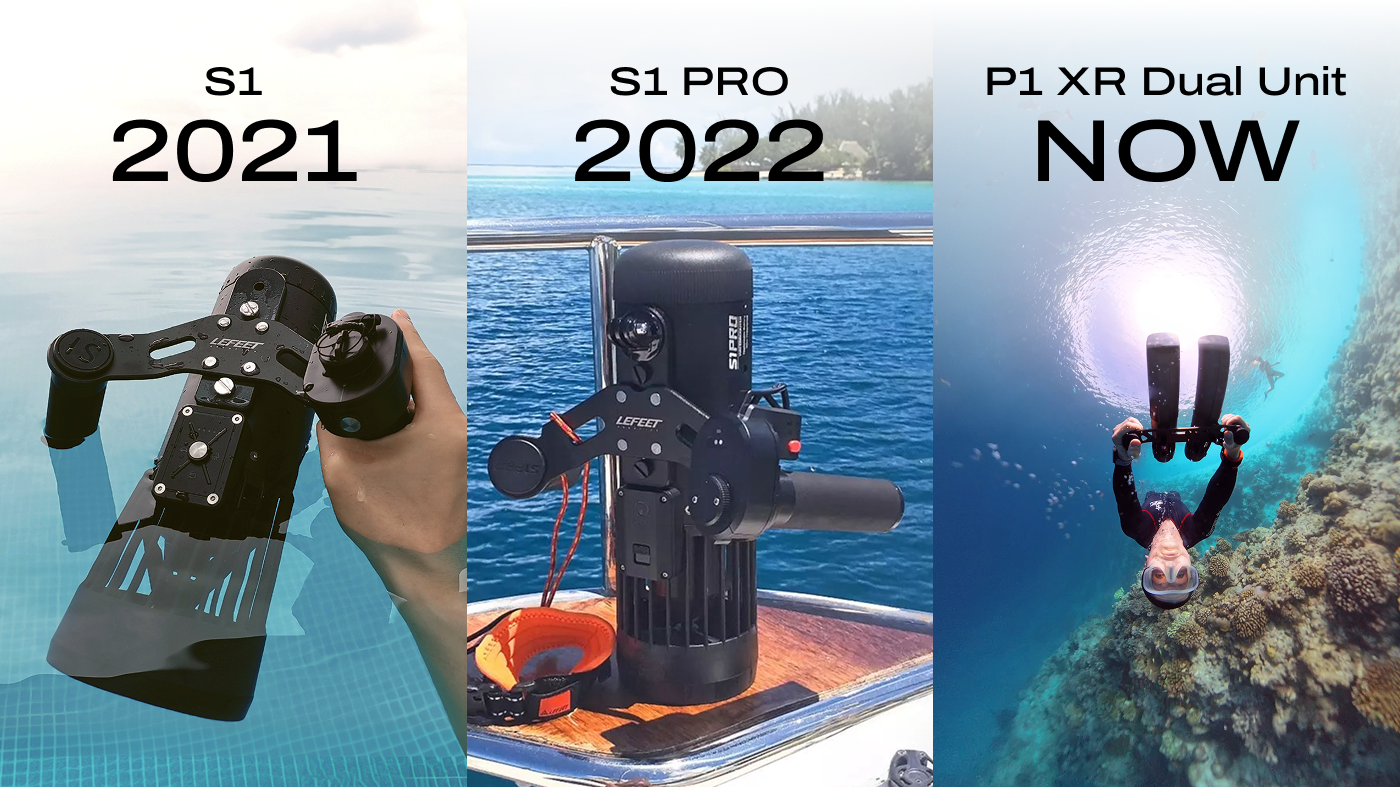
I'd spent the previous few days snorkelling around the island with my LEFEET S1, and it had been effortless. So effortless, in fact, that I'd started going in without fins using the S1 as my primary source of power about 80% of the time. It felt natural. It felt comfortable.
That comfort was mistake number one.
Mistake number two was the storm. I saw it on the horizon before I entered the water. I noted it, filed it away, and got in anyway. The sea looked fine.
Mistake number three was my mask. Before diving, I'd sprayed a little washing liquid inside to stop fogging a common trick. But I have facial hair, and the seal wasn't perfect. I knew it wasn't perfect. I got in anyway.
Three small misjudgements. Individually, manageable. Together, they nearly killed me.
When Mistakes Collide
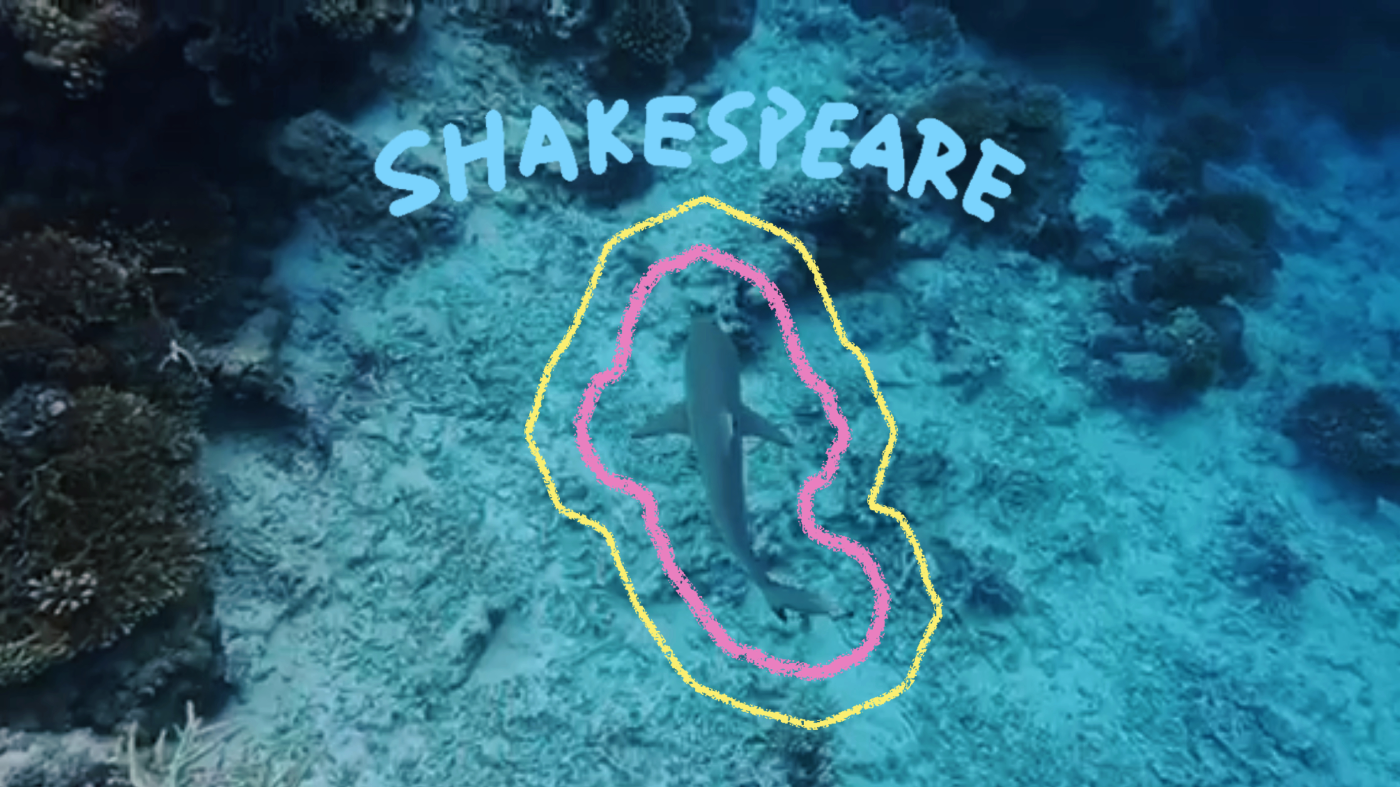
About 10 to 20 minutes in, I was hovering over a coral slope watching black-tip reef sharks move below me. One of them in particular kept circling back. I've since named him Shakespeare. Beautiful. Exactly why you come to the Maldives.
Then the snorkel started blocking.
Not constantly at first just occasionally. But the frequency increased. The storm front I'd dismissed was arriving faster than I'd anticipated, and the waves were building. Each blocked breath meant a deeper, more urgent inhale to compensate.
That deeper breathing was what broke the mask seal.
My exhale fogged the lens. Standard problem. My instinct was to lift the mask slightly and let a trickle of water in the windscreen washer trick, clear it in a second. I've done it a hundred times.
Except this time, water didn't just trickle in. It rushed into the rebreather section of the mask. The one-piece design that makes full-face masks so comfortable in flat water becomes a liability when it fills there's no easy way to flush it with the valves overwhelmed. Before I could react, I'd inhaled two full gasps of seawater.
The mask came off. It had to.
Survival Mode
I was approximately 100 yards from shore, 50 to 70 yards from the pontoon steps. No mask. No fins. The weather was now rough, waves breaking over my head, and I was treading water in open ocean above a coral slope I couldn't stand on. I'd seen the sharks, and I could see the razor edges of the coral below.
My S1 was in low mode.
I calmed down and I want to be honest about how deliberate that was. Panic at that moment would have been the end of it. I switched to power level 3.
The difference was immediate. The S1 started pulling me forward. Not fast the physics of swimming with your head above water, no fins, fighting chop, means there's a ceiling to what any device can do. But it was pulling. Consistently. Directionally.
I kept my eyes on the pontoon and kept going.
The Two Lights
At some point I looked at the S1 and saw two of the four battery lights were lit. I knew the device well enough by then. I'd run it to empty earlier in the trip, watched it drop from full to low and give me about five minutes in low mode before cutting out. Two lights meant I was in the second half of the battery. I didn't know how much was left.
I kept going.
After somewhere between five and ten minutes it felt much longer I could see I was making ground. The pontoon was getting closer. Then I was at the steps. My hand touched the bottom rung of the ladder.
Two lights were still on.
What I Learned
I sat on the pontoon for a long time. Exhausted. Relieved. Running through everything that had gone wrong and the very thin margins by which it hadn't gone worse.
Was I frightened? Yes. Was I scared? Yes. The sea has no enemies it doesn't care. I knew at worst I could have cut my feet badly on the coral, attracted attention from the sharks, and been in serious trouble in deteriorating conditions with no propulsion and no visibility.
What I'd bought as a lazy gadget something to make snorkelling easier, to glide around reefs without working too hard had become something else entirely. It was the only tool left in the bag. And it got me back to the steps.
It comes with me every time now. No matter how shallow. No matter how short the swim.
Darren's Checklist Before You Enter the Water
These are his words, not ours.
Always wear fins. No matter how shallow, no matter how confident you are in the water. Fins are your manual plan B. If your S1 runs out of power, bare feet are not a substitute.
Respect the weather. Don't enter the water if there's any doubt. Wait for another window. Another day. The ocean has been here longer than we have.
Use a separate mask and snorkel for snorkelling. A full-face mask is excellent in calm, controlled conditions. In rough water, if it floods, you lose your breathing entirely. A separate mask gives you the option to clear and breathe while you sort yourself out.
Know your battery. Understand how your device behaves as power depletes. Know what the indicators mean. Know how long you have.
Respect the water. It's been here longer than humans. It will be here long after.
Do you have a story to share? We'd love to hear it. Submit yours here.